
HVAC Supplies
HVAC supplies are the backbone of any heating, ventilation, and air conditioning system, contributing to its efficiency, comfort, and durability. From essential components like ductwork and thermostats to advanced tools and accessories, each element plays a crucial role in creating an effective climate control system. By investing in high-quality HVAC supplies, you not only enhance the performance and longevity of your system but also improve the air quality and comfort of your indoor environment.
Understanding the various types of HVAC supplies, their functions, and how they impact your system is key to making informed decisions. Whether you are a homeowner or a professional, selecting the right supplies ensures that your HVAC system will provide reliable, efficient, and comfortable service for years to come.

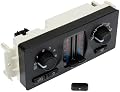
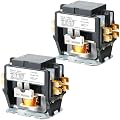
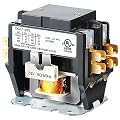
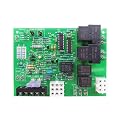








What Are HVAC Supplies?
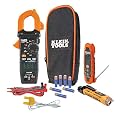
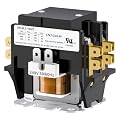
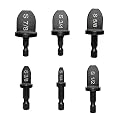
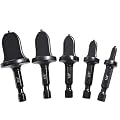
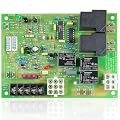
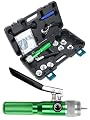
HVAC supplies refer to the various parts, tools, and materials needed to install, repair, maintain, or upgrade heating, ventilation, and air conditioning systems. These supplies range from simple items like air filters and ducts to more complex components like compressors, thermostats, and refrigerants.
Each part of an HVAC system plays a specific role, ensuring that the system operates efficiently, provides the right climate control, and improves air quality. Understanding the importance of each component can help you make informed decisions when selecting HVAC supplies for your project.
Types of HVAC Supplies
HVAC supplies can be broadly categorized into several key groups, each responsible for different functions within the system. Below, we’ll explore the major categories and their respective roles.
1. Ductwork and Ventilation Supplies
Ductwork and ventilation supplies are essential for the distribution of heated or cooled air throughout a building. Without proper ductwork, the conditioned air would not reach the intended spaces effectively, leading to inefficiencies and discomfort.
Components:
- Air Ducts: Channels that transport air to and from the HVAC unit. They are typically made of galvanized steel, aluminum, or flexible materials.
- Duct Insulation: Helps reduce energy loss by insulating the ductwork, preventing heat or cool air from escaping.
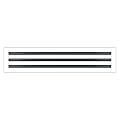
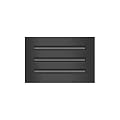
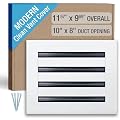
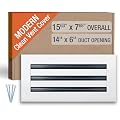
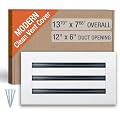
- Vent Covers: Installed at the end of the ducts, vent covers help direct airflow into the room while keeping out debris.
- Dampers: Devices that regulate airflow within the ducts, enabling zone control within a building.
- Return Air Grilles: Allow air to return to the HVAC unit for recirculation.
Importance:
- Efficient Air Distribution: Properly sized and insulated ducts ensure that heated or cooled air reaches its destination efficiently.
- Improved Air Quality: Ventilation supplies help maintain good indoor air quality by allowing fresh air to circulate and expelling stale air.
2. Filters and Air Cleaners
Filters and air cleaners are critical for maintaining indoor air quality by removing dust, allergens, and other contaminants from the air before it is circulated throughout the building.
Components:
- Air Filters: The most common type of HVAC filter, typically made of fiberglass, pleated paper, or synthetic materials. They capture airborne particles, preventing them from entering the system.
- HEPA Filters: High-Efficiency Particulate Air (HEPA) filters are more advanced and can capture up to 99.97% of particles, including pollen, pet dander, and smoke.
- Electrostatic Filters: Use static electricity to attract and trap particles. They are washable and reusable.
- UV Air Purifiers: Use ultraviolet light to kill bacteria, viruses, and mold spores, improving air quality and system efficiency.
Importance:
- Improved Air Quality: Clean air filters ensure that the air in your home or building is free from pollutants and allergens.
- Extended HVAC Lifespan: Clean filters help reduce the strain on the HVAC system, which can prolong its lifespan and reduce maintenance costs.
3. Thermostats and Controls
Thermostats and control systems are the brains of any HVAC setup, regulating the system's operation by monitoring the temperature and turning the HVAC equipment on or off to maintain comfort levels.
Components:
- Programmable Thermostats: Allow users to set different temperatures for different times of the day or week, optimizing energy usage.
- Smart Thermostats: Connect to Wi-Fi and allow remote control via smartphone apps, offering advanced features such as learning your schedule and adjusting settings accordingly.
- Zoning Systems: Enable different areas of a building to be heated or cooled independently, maximizing comfort and efficiency.
- Sensors: Measure temperature, humidity, and other variables to provide real-time data to the HVAC system for optimal performance.
Importance:
- Energy Efficiency: Properly installed and configured thermostats can significantly reduce energy consumption by ensuring that heating or cooling is only used when needed.
- Enhanced Comfort: By maintaining precise temperature control, thermostats ensure a consistently comfortable indoor environment.
4. Refrigerants and Compressors
Refrigerants and compressors are critical to the operation of air conditioning systems and heat pumps. They enable the system to transfer heat, providing cooling in summer and heating in winter.
Components:
- Refrigerants: Chemicals used in the cooling process, such as R-410A or R-22. They absorb heat from inside the building and release it outside.
- Compressors: The heart of the air conditioning system, compressors pressurize the refrigerant, enabling it to circulate through the system and transfer heat.
Importance:
- Efficient Heat Transfer: Refrigerants and compressors are essential for transferring heat out of the building during cooling cycles, ensuring a comfortable indoor environment.
- System Longevity: Regular maintenance of refrigerants and compressors is necessary to prevent system breakdowns and ensure optimal performance.
5. Furnaces and Heat Pumps
Furnaces and heat pumps are the primary sources of heat in HVAC systems. While furnaces use natural gas, oil, or electricity to generate heat, heat pumps transfer heat from the outside air or ground into the building.
Components:
- Furnaces: Traditional heating systems that generate heat using fuel combustion or electric resistance.
- Heat Pumps: More energy-efficient systems that transfer heat rather than generate it. They can also reverse the process to provide cooling in summer.
- Blowers: Move the heated air from the furnace or heat pump into the ducts and throughout the building.
Importance:
- Cost-Effective Heating: Heat pumps, in particular, offer energy-efficient heating solutions, especially in moderate climates.
- Reliable Comfort: Furnaces provide reliable and powerful heating, especially in regions with harsh winters.
6. HVAC Tools and Accessories
In addition to core components, HVAC tools and accessories are essential for installation, repair, and maintenance.
Components:
- Manifold Gauges: Used to measure pressure in the HVAC system to ensure it is operating correctly.
- Vacuum Pumps: Essential for removing moisture and air from the refrigerant lines before charging the system.
- Pipe Insulation: Insulates refrigerant lines, preventing energy loss and improving efficiency.
- Sealants and Tapes: Help secure connections and prevent leaks in ductwork or refrigerant lines.
Importance:
- Efficient Installation and Maintenance: The right tools ensure that HVAC systems are installed correctly and maintained efficiently, minimizing downtime and repair costs.
- Longevity of System Components: Proper accessories, such as insulation and sealants, help protect system components, extending their lifespan.
Benefits of Using High-Quality HVAC Supplies
Choosing high-quality HVAC supplies is essential for ensuring the efficiency, reliability, and longevity of your system. Here are some key benefits:
1. Energy Efficiency
Using premium HVAC supplies such as high-quality filters, thermostats, and insulation can significantly improve the energy efficiency of your system. This leads to lower energy bills and a reduced environmental footprint.
2. Improved Indoor Air Quality
Better HVAC supplies result in cleaner air. High-efficiency filters and air purifiers ensure that dust, allergens, and contaminants are removed from the air, making it healthier for occupants, especially those with respiratory issues.
3. System Durability
Investing in quality components, such as refrigerants, compressors, and ductwork, helps protect the system from wear and tear. This reduces the need for repairs and extends the overall lifespan of your HVAC equipment.
4. Enhanced Comfort
With the right HVAC supplies, you can achieve more precise temperature control, better air distribution, and quieter operation, making your indoor environment more comfortable.
5. Ease of Maintenance
High-quality HVAC supplies often come with warranties and are easier to maintain, which means fewer repairs and less hassle for homeowners and technicians alike.
How to Choose the Right HVAC Supplies
Selecting the right HVAC supplies depends on various factors, including the size of your space, climate, and budget. Below are some tips to help guide your decision:
1. Know Your System Type
The type of HVAC system you have—whether it’s a split system, ductless mini-split, packaged unit, or heat pump—will dictate the supplies you need. Make sure the components you select are compatible with your specific system.
2. Consider Energy Efficiency
Energy-efficient HVAC supplies not only save money in the long run but also reduce environmental impact. Look for ENERGY STAR-rated products, high-SEER (Seasonal Energy Efficiency Ratio) components, and programmable thermostats for the best energy savings.
3. Size Matters
Properly sized components are essential for optimal system performance. Ducts, furnaces, and air conditioners should all be sized according to the space they serve. Too small, and the system will be overworked; too large, and it will short-cycle, wasting energy.
4. Prioritize Indoor Air Quality
If air quality is a concern, consider investing in HEPA filters, UV air purifiers, and whole-house ventilation systems. These supplies help maintain a healthy indoor environment by reducing contaminants and circulating fresh air.
5. Work with Professionals
Whether you're installing a new HVAC system or upgrading components, it's always best to consult with a professional HVAC technician. They can help you choose the right supplies for your system and ensure everything is installed and maintained correctly.