
Measuring & Layout Tools
Measuring and layout tools are indispensable for ensuring accuracy and precision in a wide range of projects, from simple home repairs to complex engineering tasks. By selecting the right tools for your specific needs and understanding their features and uses, you can complete your projects with greater ease, efficiency, and professionalism.
Whether you're a DIY enthusiast, a professional contractor, or a hobbyist, investing in high-quality measuring and layout tools will significantly enhance the quality and success of your work.








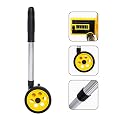

What Are Measuring & Layout Tools?
Measuring and layout tools are instruments used to determine the size, distance, angles, and other dimensions of objects or spaces. They help professionals and hobbyists alike to plan, mark, and measure accurately, ensuring that every part of a project fits together correctly. These tools are used across a wide range of industries, including construction, carpentry, engineering, architecture, and even in hobbies such as sewing, crafting, and model building.
Why Are Measuring & Layout Tools Important?
Accurate measurements and proper layout are critical for achieving the desired outcome in any project. A small mistake in measuring can result in costly errors, wasted materials, and delays. By using the appropriate tools for measurement and layout, you can:
- Ensure Precision: The right tools help you measure and mark accurately, leading to a better-finished product.
- Save Time: Efficient layout tools allow for faster and more accurate planning, minimizing the chances of rework.
- Enhance Safety: Proper measurements help ensure that components fit correctly, reducing the risk of structural issues or accidents.
- Increase Professionalism: When your measurements are precise and your layout is accurate, it reflects professionalism and attention to detail.
Types of Measuring & Layout Tools
There are numerous measuring and layout tools, each designed to perform specific tasks. Below, we will break down the main categories of measuring and layout tools, explaining their uses, features, and benefits.
1. Measuring Tapes
One of the most basic yet essential measuring tools, measuring tapes are used to measure distances, lengths, and perimeters. They come in various materials, lengths, and features, each suited for different applications.
Key Features of Measuring Tapes:
- Flexible Steel or Fiberglass: Measuring tapes are typically made from steel or fiberglass, offering flexibility and durability. Steel tapes are strong and accurate, while fiberglass tapes are more resistant to wear and weather conditions.
- Locking Mechanism: Most modern measuring tapes come with a locking mechanism that keeps the tape in place once extended, ensuring accurate measurements.
- Graduation Marks: These marks, usually in inches and centimeters, help users measure lengths precisely.
- Compactness: Some tapes are retractable, making them easy to store and transport.
Types of Measuring Tapes:
- Standard Tape Measure: The most common type, typically used for general-purpose measuring tasks.
- Surveyor's Tape: These tapes are long and designed for measuring large distances, often used in surveying and construction projects.
- Cloth or Fabric Tape: A flexible tape used primarily for sewing or measuring curves.
- Digital Tape Measure: These modern devices combine traditional measuring tape functionality with digital technology for electronic readings and ease of use.
2. Rulers & Straightedges
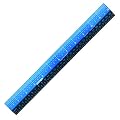
Rulers and straightedges are fundamental tools for making straight lines, measuring shorter lengths, and checking the alignment of objects. They are simple tools but essential for accurate layout and measurement.
Key Features of Rulers and Straightedges:
- Material: Rulers are typically made from wood, plastic, metal, or acrylic. Metal rulers tend to be more durable and provide precise measurements.
- Graduation Marks: Rulers often feature both metric and imperial measurements for versatility.
- Edge Type: The edge of the ruler may be straight or beveled, depending on the intended use.
Types of Rulers & Straightedges:
- Wooden Ruler: Classic and often used in schools or for simple tasks.
- Metal Ruler: More durable and often used in woodworking, drafting, and other professional applications.
- Flexible Ruler: Made of soft materials such as plastic, flexible rulers can be bent to measure curves.
- T-Square: A specialized ruler that provides perfect 90-degree angles, often used in drawing and drafting.
3. Laser Measuring Tools
Laser measuring tools, such as laser distance meters and laser levels, have revolutionized the way measurements are taken. These devices use laser beams to calculate distance and angles accurately.
Key Features of Laser Measuring Tools:
- Laser Distance Meter: Measures the distance between two points using a laser beam. These meters are accurate and can measure long distances quickly.
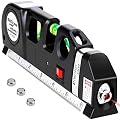
- Laser Levels: A laser level projects a level laser line onto surfaces, ensuring that measurements and installations are perfectly horizontal or vertical.
- Digital Display: Many laser measuring tools feature digital displays, allowing users to see precise readings instantly.
Types of Laser Measuring Tools:
- Laser Distance Measurer: Ideal for taking quick measurements in construction, home improvement, or real estate.
- Laser Level: Used to check the level of horizontal or vertical surfaces, such as during the installation of tiles, windows, or shelves.
- Rotary Laser Level: Used for large-scale projects like surveying or foundation work, providing 360-degree leveling around a room.
4. Calipers
Calipers are precision measuring tools that are used to measure the internal and external dimensions of objects, as well as their depth. Calipers are commonly used in machining, metalworking, woodworking, and engineering.
Key Features of Calipers:
- Measuring Surfaces: Calipers can measure internal and external diameters, as well as the depth of holes or recesses.
- Types of Calipers: There are different types of calipers, including vernier calipers, dial calipers, and digital calipers.
- Precision: Calipers are known for their high precision, often measuring to the thousandth of an inch or millimeter.
Types of Calipers:
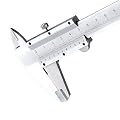
- Vernier Calipers: A manual type of caliper that uses a sliding scale for measurements, requiring a bit more skill to read accurately.
- Dial Calipers: These calipers have a dial gauge for easy reading and are often used in more industrial settings.
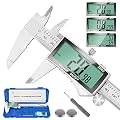
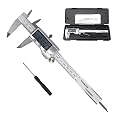
- Digital Calipers: Digital calipers provide an electronic readout, making them easy to use and accurate for measuring small objects or parts.
5. Levels
Levels are tools used to check whether surfaces are horizontal (level) or vertical (plumb). They are essential in construction, carpentry, and home improvement projects to ensure that walls, floors, and other structures are correctly aligned.
Key Features of Levels:
- Bubble Vials: Traditional levels feature bubble vials that show whether a surface is level or plumb.
- Laser Levels: Some levels are laser-based and provide a visible line, ensuring accuracy over longer distances.
Types of Levels:
- Spirit Level: A traditional type of level that uses a bubble in a liquid-filled vial to indicate whether the surface is level.
- Laser Level: A high-tech level that projects a laser line onto surfaces, ensuring perfect alignment for installations.
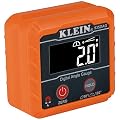
- Digital Level: Provides a digital readout of the level, which can be more precise than traditional levels.
6. Squares & Triangles
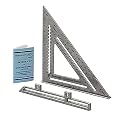
Squares and triangles are tools used to measure and mark right angles or 45-degree angles. These tools are essential for ensuring that parts fit together perfectly and align properly during construction, woodworking, and other layout work.
Key Features of Squares & Triangles:
- Right Angles: Most squares and triangles are designed to help mark or measure right angles (90 degrees) and other angles such as 45 degrees.
- Material: Common materials include metal, plastic, or wood. Metal squares tend to be the most durable and precise.
Types of Squares & Triangles:
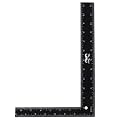
- Carpenter's Square: Also known as a framing or framing square, this large tool is used to measure and mark right angles, typically in carpentry or construction.
- Speed Square: A smaller, triangular tool used for marking angles, particularly in roofing and framing.
- Combination Square: A multi-purpose tool that can be used as a right angle, depth gauge, and ruler, perfect for a variety of measuring tasks.
7. Marking Tools
Marking tools are used to make precise marks on surfaces to guide the cutting, drilling, or assembly process. Common marking tools include chalk lines, pencils, and marking knives.
Key Features of Marking Tools:
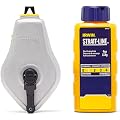
- Chalk Lines: Used to create long, straight lines across surfaces, typically for large-scale projects like flooring or drywall installation.
- Pencils: Used for marking measurements on materials. Carpenter's pencils are specifically designed for use in construction and woodworking.
- Marking Knives: These knives are used to make accurate, fine lines on materials like wood or metal.
Types of Marking Tools:
- Chalk Line Reel: A tool used for creating long, straight lines by snapping a chalk-coated string across a surface.
- Carpenter's Pencil: A flat, wide pencil used in construction to mark rough materials like wood or stone.
- Scratch Awl or Scriber: A pointed tool used to make precise marks on hard materials like wood, metal, or plastic.
Choosing the Right Measuring & Layout Tools
Selecting the appropriate measuring and layout tools for your project depends on the type of work you're doing and the materials you’re working with. Consider the following factors:
1. Project Requirements
Different projects require different tools. For instance, if you’re working with large-scale construction projects, you may need measuring tapes, laser levels, and carpenter’s squares. For precision work like metalworking or jewelry-making, digital calipers and micrometers might be necessary.
2. Accuracy Needs
The level of accuracy required will influence your tool choices. For highly precise measurements, such as those required in machining or engineering, digital calipers and laser distance meters are preferred. For general construction work, traditional tools like tape measures and spirit levels will suffice.
3. Material Type
Consider the materials you’re working with when choosing your tools. For wood, pencils and marking knives are ideal, while metalworking projects may require specialized scribers and calipers.
4. Ease of Use
Some tools require more skill or expertise to use accurately. For example, using a vernier caliper requires careful reading, while a digital caliper provides an easy-to-read measurement. Choose tools that match your skill level and project requirements.
5. Budget
There is a wide range of options in terms of price. Basic tools like rulers and tape measures are generally affordable, while advanced tools like laser levels and digital calipers may cost more. Select tools that provide the best balance of quality and cost for your needs.