
Weather Stripping
Weather stripping products play a crucial role in enhancing the energy efficiency, comfort, and protection of your home or commercial space. By selecting the right type of weather stripping for your specific needs—whether it's foam, rubber, vinyl, or metal—you can create a tight seal that prevents drafts, moisture, and noise from entering. The installation of weather stripping not only improves insulation but also results in significant energy savings and a more comfortable environment.
Whether you are sealing gaps in windows, doors, or other areas of your building, weather stripping is an affordable and effective solution for long-term protection.




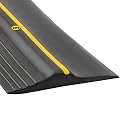
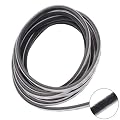
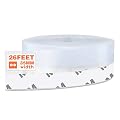

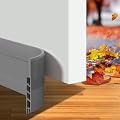




What Are Weather Stripping Products?
Weather stripping products are materials designed to seal the gaps around doors, windows, or other openings in your home or commercial property to prevent air, dust, moisture, and pests from entering. By filling these gaps, weather stripping helps to create an airtight seal that improves energy efficiency, reduces the need for heating and cooling, and enhances overall comfort within your space.
These products are essential for protecting your home or building from temperature fluctuations, humidity, and outside pollutants, contributing to both the longevity of your property and the reduction of your utility bills.
Types of Weather Stripping Products
There are various types of weather stripping products available, each designed for specific applications and materials. Some are suitable for doors, while others are ideal for windows or even for sealing gaps around electrical outlets and vents. Here is an overview of the most common weather stripping products:
1. Adhesive-Backed Foam Tape
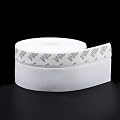
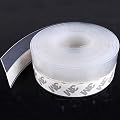
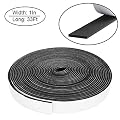
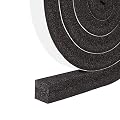
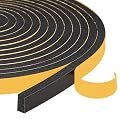
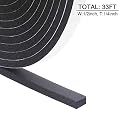
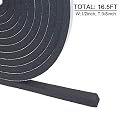
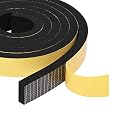
Adhesive-backed foam tape is one of the most widely used types of weather stripping. It consists of a foam material that is backed with a self-adhesive strip, making it easy to apply directly to door or window frames. This type of weather stripping is versatile, and it comes in various thicknesses and sizes to accommodate different gaps.
Key Features:
- Easy to Install: No need for special tools or expertise. Simply peel off the backing and stick it onto the surface.
- Flexible: Foam tape can be easily trimmed to fit any size opening.
- Effective Sealant: Foam tape creates an airtight seal that prevents drafts, moisture, and dust from entering the space.
Applications:
- Ideal for doors, windows, and sliding glass doors.
- Perfect for sealing small to medium gaps around frames.
2. Rubber Weather Stripping
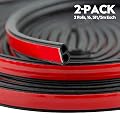
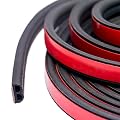
Rubber weather stripping is another popular product for sealing gaps and preventing air leaks. Made from high-quality rubber, these strips are often used in areas where durability and flexibility are required. Rubber weather stripping products are highly effective at creating a tight seal while withstanding harsh weather conditions, making them a great choice for both residential and commercial applications.
Key Features:
- Durability: Rubber weather stripping is resistant to UV rays, moisture, and extreme temperatures, ensuring long-lasting performance.
- Versatility: It can be used on both windows and doors and is especially useful for sealing large gaps.
- Resistant to Damage: Unlike foam or felt, rubber is more resilient to tearing and wear.
Applications:
- Seals doors and windows in homes, commercial spaces, and even garages.
- Often used in places with extreme weather conditions.
3. Vinyl Weather Stripping
Vinyl weather stripping is known for its strength and durability. It is commonly used on windows, doors, and patio doors. The product is available in different profiles, including V-shaped, T-shaped, and bulb-shaped strips, which are designed to compress when the door or window closes, forming an effective seal.
Key Features:
- Weather-Resistant: Vinyl is highly resistant to temperature changes, UV rays, and moisture, making it a great choice for exterior applications.
- Cost-Effective: Vinyl is an affordable option for those looking to weatherproof their home without spending a lot of money.
- Noise Reduction: Vinyl weather stripping can help reduce noise from the outside.
Applications:
- Suitable for both residential and commercial use, especially on windows and doors.
- Ideal for areas where a high degree of weather resistance is necessary.
4. Metal Weather Stripping
For areas requiring heavy-duty protection, metal weather stripping is often used. This type of weather stripping is typically made from aluminum, steel, or bronze and is perfect for creating a long-lasting seal on doors and windows that experience high traffic or extreme weather conditions.
Key Features:
- Long-Lasting: Metal weather stripping is resistant to corrosion, wear, and tear, making it an ideal choice for long-term use.
- Heavy-Duty Seal: Metal strips provide a tight, durable seal that prevents air leaks and moisture.
- Versatile Design: Metal weather stripping comes in various profiles and configurations to meet the needs of different door and window frames.
Applications:
- Often used in commercial or industrial settings.
- Ideal for exterior doors, windows, and areas with extreme weather conditions.
5. Felt Weather Stripping
Felt weather stripping is an excellent choice for sealing small gaps around doors and windows. Made from compressed fibers, felt is commonly used in conjunction with other materials like metal or vinyl to create an airtight barrier. Felt strips are easy to install and relatively inexpensive, making them a good option for homeowners on a budget.
Key Features:
- Affordable: Felt weather stripping is one of the most cost-effective options available.
- Easy to Install: Felt strips often come with an adhesive backing, making them simple to apply to door or window frames.
- Good Insulation: Felt provides a decent level of insulation, preventing drafts and moisture from entering your home.
Applications:
- Ideal for interior doors and windows.
- Often used for sealing gaps that are not exposed to extreme weather.
6. Door Sweeps
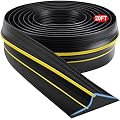
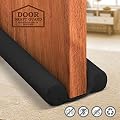
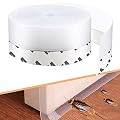
A door sweep is an effective weather stripping solution designed to seal the gap at the bottom of doors. Typically made from rubber or vinyl, door sweeps help to prevent drafts and moisture from entering through the bottom of the door. They are available in various lengths and materials, depending on the needs of the door.
Key Features:
- Easy to Install: Door sweeps typically attach to the bottom of the door with screws, nails, or adhesive.
- Effective Draft Blocker: They prevent cold drafts from entering during winter and help keep cool air inside during summer.
- Water Resistance: Door sweeps also help prevent rainwater and snow from seeping into your home through door bottoms.
Applications:
- Perfect for exterior doors, especially those that open directly to the outdoors.
- Ideal for commercial spaces, garages, and homes.
7. Tension Seal Weather Stripping
Tension seal weather stripping involves a flexible, spring-loaded seal that is designed to create an airtight barrier. The material is usually made from plastic, and it is used around the perimeter of doors and windows. Tension seals are known for their ability to create a firm seal without compressing too much, maintaining their shape and effectiveness over time.
Key Features:
- Spring-Loaded Design: The spring-loaded nature of tension seals allows them to fit snugly around the edges of doors and windows.
- Durability: Tension seals are long-lasting and resistant to wear and tear, making them a good choice for high-traffic areas.
- Pressure Resistance: Tension seals create a seal that maintains consistent pressure, helping to block drafts and moisture.
Applications:
- Ideal for exterior doors and windows.
- Used in both residential and commercial applications where sealing is critical.
8. Interlocking Weather Stripping
Interlocking weather stripping is a unique solution that involves two strips that interlock when the door or window is closed. The interlocking design ensures a tight, secure seal that prevents air leaks, moisture, and dust from entering.
Key Features:
- Secure Seal: The interlocking design creates a firm seal that blocks drafts and prevents energy loss.
- Durability: Made from high-quality materials, interlocking weather stripping is designed for long-term use.
- Flexible Application: It can be used in various settings, from residential to industrial spaces.
Applications:
- Perfect for heavy-duty doors, including commercial, industrial, and high-traffic areas.
- Suitable for use in residential settings as well.
Benefits of Using Weather Stripping Products
When properly installed, weather stripping products offer a variety of benefits for your home or business. These include:
1. Enhanced Energy Efficiency
Weather stripping helps to prevent drafts and keeps your indoor temperature consistent, reducing the reliance on heating and cooling systems. As a result, you'll save on energy bills and contribute to a more sustainable environment.
2. Improved Comfort
By creating an airtight seal, weather stripping eliminates drafts that can make certain rooms uncomfortable. It helps keep your space at a stable temperature, ensuring a more comfortable living or working environment year-round.
3. Moisture Control
Weather stripping products are effective at blocking moisture and humidity, preventing issues like mold and mildew that can arise from water infiltration. This is particularly beneficial in areas with high humidity or frequent rainfall.
4. Noise Reduction
Certain types of weather stripping, such as vinyl and rubber, provide an additional benefit of reducing noise from the outside, helping to create a quieter and more peaceful indoor environment.
5. Cost-Effective
Weather stripping is an affordable investment with long-term benefits. By sealing air leaks, you reduce the need for constant heating and cooling, resulting in lower utility bills. Furthermore, weather stripping products typically last for several years with proper maintenance.
How to Install Weather Stripping Products
Installing weather stripping products is generally a simple process. Follow these basic steps for a successful installation:
- Measure the Gaps: First, measure the gaps around doors, windows, or other openings to determine the size and type of weather stripping needed.
- Clean the Surface: Before applying any weather stripping, clean the surface thoroughly to ensure that the adhesive will stick properly.
- Cut the Strips: If necessary, cut the weather stripping to the correct length using scissors or a utility knife.
- Apply the Weather Stripping: Peel off the backing of adhesive-backed strips and apply them to the frame, or screw/nail in the appropriate weather stripping products.
- Check for Proper Seal: Once the weather stripping is installed, check to ensure that the doors and windows close properly and that the seals are tight.