
Painting Supplies
Having the right painting supplies is key to achieving professional-looking results in any painting project. From brushes and rollers to protective coverings and ladders, each tool plays a crucial role in ensuring that the paint goes on smoothly and evenly.
Whether you're painting the walls of your home or embarking on a creative project, investing in quality supplies will make a noticeable difference in the outcome of your work.








The Importance of Quality Painting Supplies
Whether you're painting the exterior of a house, touching up trim, or creating a detailed piece of artwork, the tools and supplies you use directly affect the outcome of your project. Low-quality tools can result in uneven coverage, drips, streaks, and a lack of control during the application process. Conversely, high-quality tools ensure that your paint adheres well, covers evenly, and lasts longer.
Additionally, using the right supplies helps you complete the job more efficiently, minimizing cleanup time and reducing waste. Whether you're painting large walls or intricate furniture pieces, choosing the right supplies for your project ensures a professional finish.
Essential Painting Supplies
When it comes to painting supplies, there is a wide array of options available. Below, we will dive into the key categories of painting tools and materials, highlighting their features and uses so you can make an informed decision when selecting what to use for your next painting project.
1. Paint Brushes
Paint brushes are one of the most important tools in any painting project. They allow you to apply paint with precision and control, making them ideal for detail work, edges, and trim. Brushes come in various sizes, shapes, and materials, each designed for different types of paint and surfaces.
Key Features of Paint Brushes:
- Bristle Material: Brushes typically come with either natural bristles (such as hog hair) or synthetic bristles (like nylon or polyester). Natural bristles are best for oil-based paints, while synthetic bristles work well with water-based paints, as they are resistant to water absorption.
- Brush Shape: Brushes come in a variety of shapes, including flat, angled, and round. Flat brushes are ideal for broad, even strokes, while angled brushes help with detail work and corners. Round brushes are often used for intricate or delicate applications.
- Handle Length: Brushes with long handles are generally used for large surfaces or when standing, while shorter handles provide better control for detail work.
Types of Paint Brushes:
- Flat Brushes: Perfect for wide, even strokes and filling in large areas. Commonly used for walls, ceilings, and other flat surfaces.
- Angled Brushes: These brushes are designed with a slanted edge, making them perfect for painting corners, edges, and trim.
- Round Brushes: Round brushes allow for more control and are typically used for fine details and intricate work.
- Chip Brushes: Inexpensive brushes made of coarse bristles, often used for rough surfaces, arts and crafts, or applying adhesives.
2. Paint Rollers
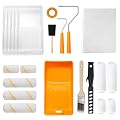
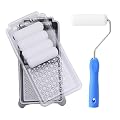
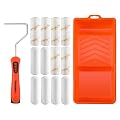
Paint rollers are a popular tool for applying paint to large, flat surfaces quickly and efficiently. They are particularly useful for walls and ceilings, providing a smooth, even finish with minimal brush strokes.
Key Features of Paint Rollers:
- Roller Cover Material: Roller covers are made from a variety of materials, such as synthetic fabrics, natural fibers, and blends. The type of material you choose depends on the paint you’re using and the texture you want to achieve. Foam rollers are ideal for smooth surfaces, while woven fabric rollers work best for textured surfaces.
- Roller Size: Rollers come in various sizes, from 4 inches for smaller areas to 18 inches for large surfaces. The size you choose depends on the area you need to paint.
- Handle Type: Roller handles come in different types, including standard and extendable handles, which are useful for painting high walls or ceilings without the need for a ladder.
Types of Paint Rollers:
- Standard Rollers: These are the most common types of rollers and are used for covering large areas quickly. They come in a variety of nap lengths, which affect the texture of the paint finish.
- Mini Rollers: Smaller than standard rollers, mini rollers are perfect for smaller surfaces like trim, baseboards, or cabinets.
- Textured Rollers: These rollers are designed to apply paint in specific patterns or textures, making them perfect for creating a decorative finish on walls.
3. Paint Sprayers
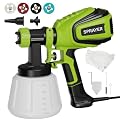
For large-scale painting projects, paint sprayers are incredibly efficient. They are particularly useful when painting exteriors, fences, or large furniture pieces and can provide a smooth, even coat in less time than brushes or rollers.
Key Features of Paint Sprayers:
- Types of Paint Sprayers: There are several types of paint sprayers, including airless sprayers, HVLP (high volume, low pressure) sprayers, and compressed air sprayers. Airless sprayers work by forcing paint through a nozzle under high pressure, making them ideal for larger areas. HVLP sprayers are better for fine details and smaller projects, as they apply paint with less overspray.
- Adjustable Nozzles: Many paint sprayers come with adjustable nozzles that allow you to change the spray pattern, making it easier to control the flow of paint.
- Pressure Settings: Adjustable pressure settings on paint sprayers help you control the amount of paint dispensed, ensuring even coverage.
Types of Paint Sprayers:
- Airless Sprayers: These sprayers use a high-pressure pump to push paint through the nozzle, creating a fine mist. They are ideal for large jobs but may require a bit more preparation to avoid overspray.
- HVLP Sprayers: HVLP sprayers use low pressure to atomize the paint, which results in less overspray and a finer finish. They are often used for detailed or delicate work, such as cabinets or furniture.
- Conventional Sprayers: These sprayers use compressed air to apply paint. While not as common as HVLP or airless sprayers, they are still useful for certain projects.
4. Drop Cloths and Plastic Sheeting
Protecting your floors, furniture, and other surfaces during a painting project is essential. Drop cloths and plastic sheeting provide an easy way to cover and protect these surfaces from paint spills, splatters, and drips.
Key Features of Drop Cloths and Plastic Sheeting:
- Material: Drop cloths can be made from cotton, canvas, or plastic. Cotton and canvas drop cloths are reusable and absorbent, while plastic sheeting is ideal for larger areas and can be disposed of after use.
- Size: Drop cloths come in various sizes, from small sheets for specific areas to large ones for covering entire rooms. Plastic sheeting is available in rolls, allowing you to cut the length you need.
Types of Drop Cloths and Plastic Sheeting:
- Cotton or Canvas Drop Cloths: These are durable and reusable, making them ideal for long-term use. They are perfect for protecting floors and furniture and can be washed after use.
- Plastic Sheeting: Plastic sheeting is perfect for covering large areas or outdoor spaces. It is waterproof and protects surfaces from paint and dust.
- Disposable Drop Cloths: Made from lightweight plastic or paper, these cloths are ideal for smaller jobs and can be thrown away after use.
5. Painter’s Tape
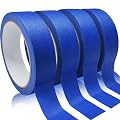
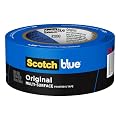
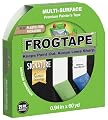
Painter’s tape is an essential tool for creating clean, sharp lines between painted surfaces. It helps ensure that the edges of walls, trim, and other surfaces remain neat and crisp.
Key Features of Painter’s Tape:
- Adhesion Strength: Painter’s tape is designed to provide strong adhesion to surfaces without damaging the paint or leaving residue when removed.
- Width: Painter’s tape is available in various widths, allowing you to create different line thicknesses and control the area that is taped off.
- UV Resistance: Some painter’s tapes are UV-resistant, which is important when working in outdoor environments or areas with direct sunlight.
Types of Painter’s Tape:
- General-Purpose Painter’s Tape: This tape is ideal for most indoor painting projects, providing clean lines and minimal residue.
- Delicate Surface Painter’s Tape: Designed for use on more delicate surfaces, this tape is ideal for areas where you want to avoid damaging the underlying surface or paint.
- Outdoor Painter’s Tape: Made for outdoor use, this tape resists moisture and UV rays, ensuring that your clean lines remain intact during exterior painting projects.
6. Paint Trays and Liners
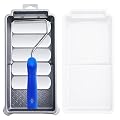
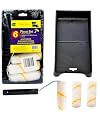
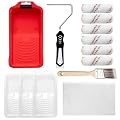
Paint trays and liners are essential tools for holding and dispensing paint during a project. They make it easier to load your paintbrush or roller and reduce the mess associated with using a paint can directly.
Key Features of Paint Trays and Liners:
- Material: Paint trays are typically made from plastic, metal, or heavy-duty plastic. Plastic trays are lightweight and affordable, while metal trays are more durable.
- Liners: Paint tray liners are disposable and fit inside the tray, making cleanup much easier after the job is complete.
Types of Paint Trays and Liners:
- Standard Paint Trays: These trays are designed to hold large amounts of paint and are ideal for bigger projects.
- Mini Paint Trays: Smaller trays are perfect for smaller tasks, such as painting trim or touch-ups.
- Disposable Tray Liners: These liners fit inside paint trays, preventing the tray from getting dirty and allowing for easy cleanup.
7. Ladders and Step Stools
A good ladder or step stool is essential for painting high walls, ceilings, or other hard-to-reach areas. Ladders come in various types, including step ladders, extension ladders, and multi-position ladders, each designed for specific uses.
Key Features of Ladders and Step Stools:
- Height: Ladders come in a range of heights, with step stools being perfect for smaller jobs and extension ladders ideal for reaching higher surfaces.
- Weight Capacity: Most ladders are rated for different weight capacities, ensuring safety and stability during use.
Types of Ladders and Step Stools:
- Step Ladders: These ladders are self-supporting and are perfect for indoor tasks like painting walls and ceilings.
- Extension Ladders: These ladders can extend to reach higher places, making them ideal for painting exteriors or high ceilings.
- Multi-Position Ladders: These versatile ladders can be configured into multiple positions, offering flexibility for a variety of projects.
8. Paint Mixers and Stir Sticks
Before you start painting, it’s important to mix your paint properly to ensure even color and consistency. Paint mixers and stir sticks are simple tools that help you achieve the right texture and mix.
Key Features of Paint Mixers:
- Electric Mixers: Electric paint mixers attach to drills and provide a quick, thorough mixing process.
- Manual Stir Sticks: Wooden or plastic stir sticks are a cost-effective option for smaller quantities of paint.
Types of Paint Mixers:
- Drill Mixers: These mixers attach to power drills and are perfect for mixing larger quantities of paint.
- Manual Stir Sticks: Basic stir sticks work well for small jobs or when mixing small cans of paint.