
Carpet & Carpet Tiles
Carpet and carpet tiles offer a wealth of benefits, from comfort and durability to aesthetic appeal and ease of maintenance. By understanding the different types of carpets, the factors that affect your choice, and the steps for installation and care, you can make an informed decision when choosing flooring for your home or business. Whether you choose traditional wall-to-wall carpet or opt for the convenience of carpet tiles, both options provide versatile, cost-effective solutions to meet your needs.
With the right carpet product, you can create a beautiful, functional space that enhances your living or working environment.






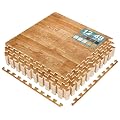





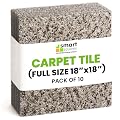

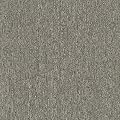


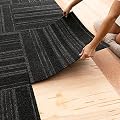

What Are Carpet Tiles?
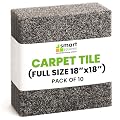
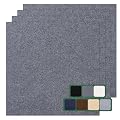
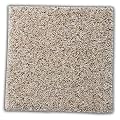
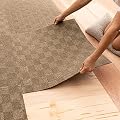
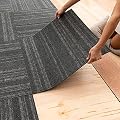
Carpet tiles are individual square pieces of carpet that are designed to be laid out and installed on the floor in a modular pattern. Unlike traditional wall-to-wall carpet, carpet tiles provide a flexible, customizable option for flooring. They come in a variety of sizes, materials, colors, and textures, which allows for endless design possibilities.
The tiles are typically backed with adhesives or a peel-and-stick mechanism, which makes installation easy and quick. They can be installed directly on a range of surfaces, such as concrete, wood, or tile, and they are available in several forms, including loop pile, cut pile, or tufted styles.
Benefits of Carpet Tiles
1. Easy Installation
One of the main reasons people choose carpet tiles is the ease of installation. Unlike traditional carpets, which require professional installation and extensive preparation, carpet tiles can be laid down by virtually anyone. With their interlocking system or peel-and-stick backing, carpet tiles are simple to position, cut to fit, and install without the need for glue or nails. This DIY-friendly feature makes them an excellent choice for both residential and commercial spaces.
2. Customizable Design Options
Carpet tiles offer a level of flexibility that traditional carpet cannot. With a variety of colors, patterns, and textures, carpet tiles allow you to create custom designs that suit your personal style or the specific needs of your space. Whether you prefer bold, geometric patterns or soft, subtle textures, the variety of options available ensures you can find the perfect look for your room.
You can also experiment with mixing and matching tiles in different colors or patterns to create unique floor designs. This customization not only adds visual interest to a room but also gives you the freedom to adapt the design to your taste.
3. Durability and Longevity
Carpet tiles are made from durable materials designed to withstand high-traffic areas. The modular nature of carpet tiles allows them to be more resilient to wear and tear than traditional carpeting. Because individual tiles can be replaced easily, any damaged or worn-out sections can be swapped out without the need to replace the entire floor, which extends the life of the flooring and reduces long-term costs.
4. Easy Maintenance
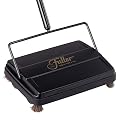
Carpet tiles are incredibly easy to maintain. Regular vacuuming can keep them looking fresh, and if a tile becomes stained or damaged, it can be removed and replaced with a new one without disturbing the rest of the flooring. This makes carpet tiles an excellent option for families with children or pets, or in spaces where spills and dirt are common.
For deep cleaning, carpet tiles can be steam cleaned or shampooed, depending on the material. This versatility allows you to maintain a clean and fresh environment with minimal effort.
5. Acoustic Benefits
Carpet tiles are great for improving the acoustics of a room. The fibers help absorb sound, making them a perfect choice for spaces that need soundproofing or noise reduction, such as offices, home theaters, or libraries. The soft texture of the carpet tiles can also help reduce footstep noise, which is especially useful in high-traffic areas like hallways or commercial settings.
6. Comfort and Warmth
Carpet tiles add a soft, cushioned feel underfoot, making them a comfortable and warm choice for floors. The insulation properties of carpet tiles help keep rooms warmer during the colder months and create a cozy, inviting atmosphere. This makes carpet tiles an ideal option for bedrooms, living rooms, and areas where you want to create a sense of comfort and relaxation.
Types of Carpet Tiles
Carpet tiles come in a range of types, each offering different textures, pile heights, and durability levels. Choosing the right type of carpet tile depends on your preferences, needs, and the specific requirements of the room.
1. Loop Pile Carpet Tiles
Loop pile carpet tiles are made from yarn loops that are not cut but rather left in a continuous loop. This creates a durable, low-maintenance surface that is resistant to wear and tear. Loop pile tiles are often used in commercial settings due to their durability, but they can also work well in high-traffic residential spaces.
Benefits:
- Highly durable and resistant to crushing
- Low maintenance and easy to clean
- Often used in office settings, hallways, or other high-traffic areas
2. Cut Pile Carpet Tiles
Cut pile carpet tiles are made by cutting the yarn loops, resulting in a soft, plush texture. These tiles are often used in residential settings where comfort is a priority. Cut pile tiles are available in a variety of textures, from velvety smooth to more textured styles, and they can add warmth and luxury to a room.
Benefits:
- Soft and luxurious feel underfoot
- Available in a wide range of textures and colors
- Great for bedrooms, living rooms, and other spaces that prioritize comfort
3. Textured Carpet Tiles
Textured carpet tiles combine both looped and cut pile yarns to create a varied surface with a mix of textures. This style is designed to add visual interest to the floor and is great for hiding dirt or footprints. Textured carpet tiles are versatile and can be used in both residential and commercial spaces.
Benefits:
- Good at hiding dirt, stains, and footprints
- Adds depth and dimension to a room
- Ideal for offices, entryways, and other busy areas
4. Shag Carpet Tiles
Shag carpet tiles are known for their deep, plush texture. The long, shaggy fibers create a unique, soft feeling underfoot and can make a room feel luxurious and cozy. These tiles are typically used in living rooms or bedrooms where comfort is key, but they also add a playful element to any space.
Benefits:
- Deep, plush texture for added comfort
- Cozy and inviting appearance
- Great for relaxation areas, bedrooms, and living rooms
5. Modular Carpet Tiles
Modular carpet tiles are versatile tiles that come in various patterns and designs, allowing you to mix and match to create unique floor layouts. They are often designed to fit together seamlessly, providing an even surface while offering the flexibility to design custom patterns.
Benefits:
- Easy to install and replace
- Endless design possibilities
- Ideal for creative and DIY projects
Carpet Tile Styles and Design
Carpet tiles offer a wide range of styles, colors, and patterns, allowing you to create a floor that suits your unique taste. Some popular styles include:
1. Solid Color Carpet Tiles
For a more classic or minimalist look, solid color carpet tiles are an excellent choice. You can opt for neutral tones like beige, gray, or black, or bold colors like red, blue, or green to create a vibrant atmosphere. Solid color tiles can be used to create a uniform floor or combined with other styles for a more dynamic design.
2. Patterned Carpet Tiles
Patterned carpet tiles offer more visual interest with designs that can range from simple geometric shapes to intricate, artistic patterns. Some popular patterns include stripes, chevrons, plaids, and floral designs. Patterned tiles are ideal for spaces where you want to make a design statement, such as a modern office or stylish living room.
3. Textured or Flecked Carpet Tiles
Textured carpet tiles feature subtle variations in color and texture that give the floor a more natural, organic feel. Flecked carpet tiles, which are typically a mix of contrasting colors, can hide dirt and stains better than solid-colored tiles and are often chosen for high-traffic commercial settings.
4. Custom Carpet Tiles
If you have a specific vision for your flooring or want to make a statement, custom carpet tiles are available. These tiles can be made to your exact specifications, including custom sizes, patterns, and even personalized logos for commercial spaces.
How to Install Carpet Tiles
Installing carpet tiles is straightforward, making it a great DIY project for homeowners and business owners alike. Here’s a step-by-step guide on how to install carpet tiles in your space:
1. Prepare the Floor
Before laying down carpet tiles, ensure that the floor surface is clean, dry, and smooth. Remove any dust, dirt, or debris that could interfere with the adhesive backing of the tiles. If the surface is uneven, use a leveling compound to smooth it out.
2. Plan Your Layout
Start by measuring the space and planning the layout of your carpet tiles. You can either lay the tiles in a traditional grid pattern or get creative with diagonal, checkerboard, or other custom layouts.
3. Install the Tiles
Peel off the backing and place the first tile in the corner of the room, making sure it's aligned with your planned layout. Continue placing tiles row by row, ensuring each one is snugly fit against the previous one. If your tiles are interlocking, simply click them into place. If they are adhesive, press firmly to ensure a secure bond.
4. Trim the Edges
Once all the tiles are laid down, you may need to trim the edges to fit along the walls or around obstacles like door frames or vents. Use a utility knife to make precise cuts.
5. Secure the Tiles
If necessary, press the tiles down to make sure they are fully adhered to the floor. If your carpet tiles are interlocking, ensure the edges are tightly connected to avoid any shifting.