
Weatherproofing Window Insulation Kits
Weatherproofing window insulation kits are a simple and cost-effective solution to improving the energy efficiency of your home. With a variety of options available, including plastic window films, foam weatherstripping, and magnetic insulation kits, there's a solution for every home and every budget.
By installing a weatherproofing window insulation kit, you can enhance your home's insulation, reduce energy costs, and improve overall comfort.
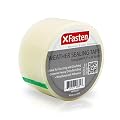

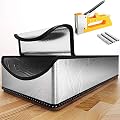
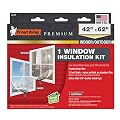









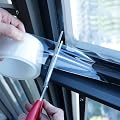

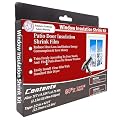
What Is a Weatherproofing Window Insulation Kit?
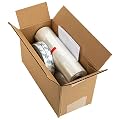
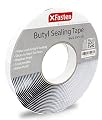
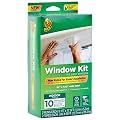
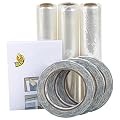
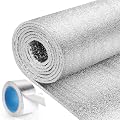
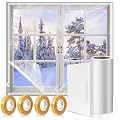
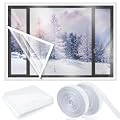
A weatherproofing window insulation kit is a set of materials designed to improve the insulation and sealing of your windows. These kits typically consist of plastic sheeting or film, adhesive strips, and sometimes specialized tape or clips, all of which are used to seal windows against drafts and prevent air leakage. They are designed for use in both residential and commercial buildings, making them a popular choice for renters and homeowners looking to save on energy costs.
These kits provide a quick and easy solution to insulating windows without the need for expensive renovations or replacements. By creating an additional barrier of insulation, they help keep the indoor temperature stable, regardless of the season.
Benefits of Using Weatherproofing Window Insulation Kits
There are numerous advantages to using weatherproofing window insulation kits, and understanding these benefits will help you see why they’re an excellent investment for any homeowner. Below are the key benefits of insulating your windows:
1. Energy Efficiency
One of the most significant advantages of weatherproofing your windows is the improvement in energy efficiency. Drafty windows can lead to substantial heat loss in the winter and heat gain during the summer. By sealing your windows, you reduce the amount of conditioned air that escapes your home, helping your heating and cooling systems work less to maintain a comfortable indoor temperature. This can result in significant savings on your energy bills.
2. Enhanced Comfort
Weatherproofing your windows ensures that cold drafts and hot spots near windows are minimized. This leads to a more comfortable living environment, especially during extreme weather conditions. With the added insulation, you’ll notice a reduction in drafts, cold spots, and inconsistent temperatures throughout your home.
3. Easy Installation
One of the key benefits of weatherproofing window insulation kits is their ease of installation. Unlike complex window replacements or professional insulation jobs, most weatherproofing kits are designed for DIY installation. The materials are simple to apply, often requiring just a few basic tools, and can be installed in a matter of hours.
4. Cost-Effective Solution
Compared to replacing windows or installing permanent insulation, weatherproofing window kits offer an affordable solution to reducing drafts and increasing energy efficiency. Kits are typically much less expensive than professional installations or window replacements, making them an ideal choice for homeowners on a budget.
5. Noise Reduction
Another benefit of weatherproofing window insulation kits is noise reduction. The added layer of insulation helps dampen outdoor noise, creating a quieter, more peaceful indoor environment. This can be particularly helpful for homes located in noisy areas, such as near busy streets, highways, or construction sites.
6. Temporary and Removable
For renters or those who live in temporary housing, weatherproofing window insulation kits offer a non-permanent solution to window insulation. These kits are designed to be removable, so you can take them down and reinstall them when needed, making them perfect for people who may not be able to make permanent alterations to their living space.
7. Increased Window Lifespan
By reducing the amount of moisture and condensation that can build up on windows, insulation kits help protect your windows from the damage caused by these elements. This can extend the lifespan of your windows and keep them in better condition for longer.
Types of Weatherproofing Window Insulation Kits
There are several different types of weatherproofing window insulation kits available on the market, each designed to address specific needs and types of windows. Let’s explore the most common types of window insulation kits and how they work.
1. Plastic Window Film Kits
Plastic window film is one of the most popular materials used in weatherproofing window insulation kits. These kits typically include a large plastic sheet, adhesive strips, and tape, allowing you to apply the film directly to the window frame. The film creates a barrier that blocks drafts and insulates the window from temperature extremes.
How It Works:
The plastic film acts as an additional layer of insulation. Once applied to the window, the film traps a thin layer of air between the window and the film, which acts as an insulator. For best results, the film is often heat-shrunk using a hairdryer, which tightens the plastic and removes any wrinkles.
Benefits:
- Affordable
- Easy to install
- Provides additional insulation
- Increases energy efficiency
- Can be removed when not needed
2. Foam Weatherstripping Kits
Weatherstripping is an essential component of many weatherproofing window insulation kits. Foam weatherstripping is typically used to seal the gaps around the edges of windows and doors, preventing drafts and air leakage. These kits include foam tape or strips that are applied along the window frame, where air typically leaks in.
How It Works:
Foam weatherstripping is designed to fill the gaps and spaces between the window frame and the wall, effectively creating a seal that prevents air from entering or escaping. It is available in various sizes and thicknesses to fit different window frames and doorways.
Benefits:
- Inexpensive
- Easy to install
- Excellent at sealing gaps and cracks
- Reduces drafts and improves energy efficiency
- Helps with noise reduction
3. Magnetic Insulation Kits
Magnetic window insulation kits are a more advanced solution for weatherproofing. These kits use magnetic strips to attach a fabric or film cover to the window frame. The advantage of magnetic kits is that they are removable and reusable, allowing for easy installation and removal when needed.
How It Works:
The kit includes magnetic strips that are attached to the window frame. The matching magnets on the fabric or film piece allow it to easily “snap” into place. This creates a snug, airtight seal around the window, providing excellent insulation during both the winter and summer months.
Benefits:
- Removable and reusable
- Provides a tight, airtight seal
- Helps with temperature control and energy efficiency
- Ideal for renters or temporary housing
4. Window Insulation Film Kits with Double Layer
For those who live in regions with extreme temperatures, a double-layer window insulation kit may be the perfect solution. These kits feature two layers of insulating film, which provide enhanced protection from the elements. The double layers create additional insulation by trapping more air between the film layers.
How It Works:
Like regular plastic window film kits, these kits include adhesive strips, tape, and plastic film. However, the film is thicker, with a second layer for improved insulation. After applying the film to the window, you use a hairdryer to shrink the material, removing any wrinkles and creating an airtight seal.
Benefits:
- Provides extra insulation
- Reduces heat loss in the winter and keeps the heat out in the summer
- Ideal for extreme climates
- Improved energy efficiency
How to Install a Weatherproofing Window Insulation Kit
Installing a weatherproofing window insulation kit is a simple process that can typically be completed in a few hours. Follow these steps for the most effective installation:
1. Prepare the Window Frame
Before you begin, make sure the window frame is clean and dry. Any dirt, dust, or moisture can interfere with the adhesive, reducing the effectiveness of the insulation. Use a damp cloth to wipe down the area and let it dry thoroughly.
2. Measure Your Windows
Accurately measure the dimensions of your windows to ensure that the insulation film or material will fit properly. Most weatherproofing window insulation kits come with excess material, allowing you to cut it to size.
3. Apply the Adhesive or Tape
Depending on the kit you’re using, you may need to apply adhesive strips around the perimeter of the window frame. Some kits may use double-sided tape, while others may use peel-and-stick adhesive. Ensure that the strips are securely in place, as this will provide the foundation for the insulation film.
4. Attach the Insulation Film
Once the adhesive is in place, apply the insulation film to the window frame. Be sure to smooth it out to remove any wrinkles. If you’re using a plastic window film kit, follow the instructions to shrink the film using a hairdryer. This will create a tight, smooth seal over the window.
5. Trim Excess Film
If there’s any excess material around the edges, trim it using scissors or a utility knife. Be careful not to cut into the adhesive strip, as this could cause the insulation to peel off over time.
6. Enjoy the Results
After installation, you’ll immediately notice a difference in the comfort of your home. Your windows will be sealed against drafts, helping to regulate your indoor temperature and reduce energy costs.
When to Use Weatherproofing Window Insulation Kits
Weatherproofing window insulation kits are most effective in the following situations:
- During Winter: To keep the cold out and prevent heat loss through windows.
- During Summer: To keep your home cooler by blocking the heat from entering your home through the windows.
- For Drafty Windows: If your windows are old or have visible gaps, weatherproofing kits can seal those gaps and reduce drafts.
- For Renters: These kits are perfect for renters who need temporary solutions to improve energy efficiency without making permanent changes to the property.