
Roofing
Roofing is a crucial element of any building, providing both protection and aesthetic value. By understanding the various types of roofing materials, tools, and accessories available, you can make informed decisions for your roofing project. Whether you're building a new home or replacing an old roof, the right roofing supplies will ensure that your roof performs well, lasts long, and enhances the overall appeal of your property.
From selecting the right roofing materials to using the right tools for installation and maintenance, this guide has covered all the essential aspects of roofing supplies.









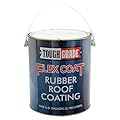

Importance of Quality Roofing Supplies
Quality roofing supplies are essential for a successful roofing project. When you invest in high-quality materials, tools, and accessories, you ensure that your roof will provide optimal performance for years to come. Some of the key reasons why quality roofing supplies are so important include:
1. Durability and Longevity
A high-quality roof can last for decades, protecting your home or building from harsh weather conditions, extreme temperatures, and other environmental factors. With the right roofing materials, your roof will remain intact, reducing the need for frequent repairs and replacements.
2. Energy Efficiency
The right roofing materials can significantly improve the energy efficiency of your building. Proper insulation and reflective roofing options can help reduce heating and cooling costs, making your home or building more energy-efficient and environmentally friendly.
3. Aesthetic Appeal
Roofing supplies come in a wide range of materials, colors, and styles, allowing you to create a roof that complements the overall aesthetic of your building. Whether you're looking for a traditional look or something more modern, there are roofing materials to suit your design preferences.
4. Weather Protection
Your roof is the first line of defense against rain, wind, snow, and other weather conditions. Using high-quality roofing supplies ensures that your roof can withstand the elements, preventing leaks, water damage, and other structural issues.
Types of Roofing Materials
Roofing materials come in various types, each with its own benefits and characteristics. Below are the most common roofing materials used today:
1. Asphalt Shingles
Asphalt shingles are the most popular roofing material in North America, known for their affordability, ease of installation, and reliable performance. They are made from fiberglass or organic felt soaked in asphalt and covered with mineral granules to protect the roof from UV rays.
Benefits of Asphalt Shingles:
- Cost-effective: Asphalt shingles are among the most affordable roofing materials available.
- Variety of Styles: They come in a wide range of colors and styles, making it easy to match your roof to the exterior of your building.
- Easy Installation: Asphalt shingles are lightweight and easy to install, reducing labor costs for roofing contractors.
2. Metal Roofing
Metal roofing is becoming increasingly popular due to its durability, energy efficiency, and modern appearance. It can be made from various metals, including steel, aluminum, copper, and zinc. Metal roofs are known for their ability to withstand harsh weather conditions, including high winds, hail, and heavy snowfall.
Benefits of Metal Roofing:
- Longevity: Metal roofs can last 50 years or more with proper maintenance.
- Energy Efficiency: Metal roofs reflect heat, helping to reduce cooling costs in warmer climates.
- Low Maintenance: Metal roofs require minimal maintenance and are resistant to rot, mildew, and pests.
3. Clay and Concrete Tiles
Clay and concrete tiles are popular for their aesthetic appeal and long lifespan. These materials are often used in Mediterranean, Spanish, and Southwestern-style homes, adding a distinctive look to the roof. Both clay and concrete tiles are durable and provide excellent weather resistance.
Benefits of Clay and Concrete Tiles:
- Durability: Clay and concrete tiles are extremely durable and can last up to 100 years or more.
- Fire Resistance: These materials are naturally fire-resistant, making them a good choice for homes in fire-prone areas.
- Energy Efficiency: Clay and concrete tiles offer excellent insulation properties, helping to regulate the temperature inside your home.
4. Wood Shingles and Shakes
Wood shingles and shakes are made from cedar, redwood, or other durable woods. Wood shingles are machine-cut, while shakes are hand-split, giving them a more rustic, textured appearance. These materials are often used in traditional or rustic-style homes.
Benefits of Wood Shingles and Shakes:
- Natural Appearance: Wood shingles and shakes provide a natural, rustic look that complements certain architectural styles.
- Sustainability: Wood is a renewable resource, and many manufacturers offer sustainably sourced options.
- Insulation: Wood naturally insulates your home, helping to maintain a comfortable indoor temperature.
5. Slate Roofing
Slate is a natural stone that has been used for centuries in roofing applications. It is known for its longevity, durability, and elegant appearance. Slate roofing is often used in high-end homes and historic buildings due to its premium price.
Benefits of Slate Roofing:
- Longevity: Slate roofs can last for more than 100 years, making them one of the most durable roofing options available.
- Aesthetic Appeal: Slate offers a unique, sophisticated look that adds value to your home.
- Fire and Weather Resistance: Slate is naturally fire-resistant and can withstand extreme weather conditions, including heavy rain, hail, and snow.
6. Synthetic Roofing Materials
Synthetic roofing materials mimic the appearance of traditional roofing materials like wood, slate, and tile, but they are made from synthetic materials like rubber, plastic, or polymer. These materials are lightweight, durable, and more affordable than natural options.
Benefits of Synthetic Roofing Materials:
- Cost-Effective: Synthetic roofing materials are generally more affordable than natural alternatives like slate or clay tiles.
- Lightweight: Synthetic roofing materials are lighter, making them easier to install and less likely to cause strain on the structure of the building.
- Durability: Many synthetic roofing materials are designed to be highly durable, resistant to UV rays, and capable of withstanding harsh weather conditions.
Roofing Tools and Accessories
In addition to roofing materials, various tools and accessories are essential for a successful roofing project. Below are some of the key tools and accessories that every roofer should have in their toolbox:
1. Roofing Nailers
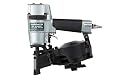
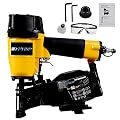
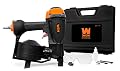
A roofing nailer is a specialized power tool designed for installing roofing materials like asphalt shingles and underlayment. It drives nails quickly and efficiently, making the installation process faster and more precise.
2. Ladders and Scaffolding
Ladders and scaffolding are essential for reaching the roof safely. Whether you're installing shingles or performing a roof inspection, a stable ladder or scaffold will ensure that you can work at height without risk.
3. Roofing Hammer
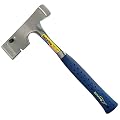
A roofing hammer is a versatile tool used for driving nails and other tasks during roof installation. It typically has a claw for removing nails and a flat face for driving them into roofing materials.
4. Roofing Underlayment
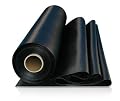
Roofing underlayment is a protective layer that is installed beneath the primary roofing material. It acts as a waterproof barrier and helps protect the roof deck from water infiltration. Underlayment is typically made from felt, synthetic materials, or rubber.
5. Flashing
Flashing is used around roof penetrations, such as chimneys, vents, and skylights, to prevent water from seeping into the roof. It is typically made from metal or plastic and is installed at key points of vulnerability on the roof.
6. Roof Ventilation Systems
Roof ventilation is essential for maintaining proper airflow in the attic and preventing moisture buildup. A well-ventilated roof helps regulate temperature and reduces the risk of mold and mildew growth.
7. Roof Sealants
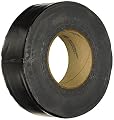
Roof sealants are applied to seams and joints to prevent leaks. They are commonly used to seal around flashing, vents, and other roof penetrations. Sealants come in various forms, including caulk, tape, and liquid coatings.
Choosing the Right Roofing Supplies
Selecting the right roofing supplies depends on several factors, including the type of building, climate, budget, and aesthetic preferences. Here are some key considerations to keep in mind when choosing roofing materials and tools:
1. Climate and Weather Conditions
The climate in your region plays a significant role in determining the best roofing materials. For example, metal roofing is ideal for areas with heavy snowfall due to its ability to shed snow easily. On the other hand, clay tiles are perfect for hot climates because of their insulating properties.
2. Roof Pitch and Design
The pitch or slope of your roof will affect the type of roofing material you should choose. Steep roofs are more suitable for materials like slate or metal, while flat roofs often require materials like single-ply membranes or modified bitumen.
3. Budget
Roofing materials come in a wide range of prices, from affordable asphalt shingles to premium slate roofing. Consider your budget when selecting materials, but also think about the long-term benefits and the lifespan of the roof.
4. Aesthetic Preferences
The appearance of your roof is an important factor in curb appeal. Consider the overall style of your home and choose materials that complement it. For example, wood shingles or shakes are ideal for a rustic home, while slate or metal is perfect for modern designs.